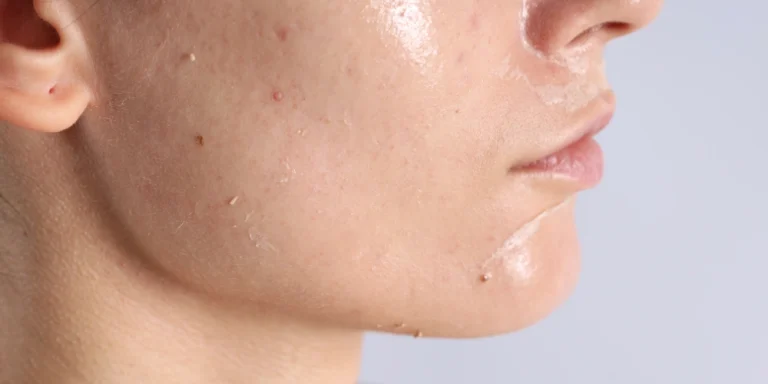

How can I keep my skin healthy during winter season?

Winter in the United States can be harsh on the skin. Cold winds, low humidity, and indoor heating often make the skin dry, itchy, and irritated. Many people notice flaky patches, redness, or even cracks in their skin during this season. Maintaining healthy skin in winter requires consistent care and the right habits. Hydration, proper nutrition, and protective skincare routines are essential. Even small changes in daily routines can make a big difference. Using gentle products and avoiding harsh chemicals helps prevent damage. Choosing the right clothing and covering exposed areas protects the skin from extreme cold. Understanding how winter affects skin is the first step to preventing problems. Healthy skin in winter is achievable with mindful care and simple practices.
How can I keep my skin healthy during winter season?
Winter can strip the skin of its natural moisture, making it dry and sensitive. With cold air outside and dry indoor heat, the skin needs extra attention. Simple routines and protective habits can keep skin soft, hydrated, and glowing. Here’s how to take care of your skin in winter.
Moisturize Regularly
Using a good moisturizer is essential in winter. Choose creams or ointments that lock in moisture rather than light lotions. Apply moisturizer immediately after washing your face or hands to seal water in the skin. Reapply throughout the day if the skin feels dry. Ingredients like hyaluronic acid, glycerin, and ceramides are helpful. Avoid products with alcohol, as they can dry the skin further. For very dry areas, thicker balms or petroleum jelly can protect the skin. Don’t forget sensitive areas like lips, elbows, and heels. Night creams are also beneficial because skin repairs itself while sleeping. Consistency is the key; moisturizing once won’t be enough. Use warm water, not hot water, when washing to prevent stripping natural oils. Incorporating a moisturizer with SPF is helpful even in winter. Drinking water also supports the effect of moisturizers. Gentle massage while applying cream improves absorption and circulation. Layering lightweight creams under heavier ones can offer extra protection. Avoid scrubbing too hard; it can irritate the skin. Consider using humidifiers indoors to help moisturizers work better. Products with natural oils like almond, jojoba, or coconut can add extra hydration. Monitor your skin daily for dryness or irritation. Adjust the frequency of moisturizing depending on skin needs.
Protect Your Skin from Harsh Elements
Cold wind and snow can damage the skin if left exposed. Wearing scarves, gloves, and hats helps cover sensitive areas. Layering clothing prevents direct exposure to cold. Sunglasses protect the eyes and surrounding skin from winter sun glare. Windproof jackets reduce the impact of chilling gusts. Lip balm is essential to prevent chapped lips. Avoid staying outside for prolonged periods in extreme cold. After coming indoors, wash off any snow or ice gently. Indoor heating can also dry out the skin, so regulate temperature when possible. Using a humidifier keeps indoor air moist. Carry travel-sized moisturizers for quick reapplication. Avoid rough fabrics like wool directly on skin, as they can cause irritation. Choose cotton or silk layers under heavier clothing. Protect hands with soft gloves and apply hand cream frequently. Sunscreen is still important because snow reflects UV rays. Monitor skin regularly for redness, cracks, or irritation. Avoid harsh soaps that strip natural oils. Gentle exfoliation can help remove dry flakes but do not overdo it. Incorporate protective oils like almond or argan for extra barrier support. Keeping skin covered and shielded prevents winter damage effectively.
Maintain Healthy Habits
What you eat and how you behave affects your skin. Drink plenty of water even if you don’t feel very thirsty. Foods rich in omega-3, vitamin E, and antioxidants support skin health. Avoid excessive caffeine or alcohol, as they can dehydrate the skin. Regular exercise improves circulation and nourishes skin cells. Sleep is essential; skin repairs itself during rest. Reduce stress, as it can trigger dryness and irritation. Avoid hot showers or baths that can strip oils from the skin. Use mild, fragrance-free cleansers. Pat skin dry gently instead of rubbing. Incorporate serums with vitamins or hyaluronic acid if needed. Adjust skincare products based on skin type and sensitivity. Monitor any skin reactions to new products. Maintain a consistent daily skincare routine. Avoid touching the face frequently to reduce irritation. Limit exposure to indoor heating or use humidifiers to maintain moisture. Keep lips hydrated with natural balms. Eat a balanced diet with fresh fruits, vegetables, and nuts. Small habits repeated daily can keep skin glowing all winter. Healthy lifestyle choices complement topical care effectively.
Frequently Asked Questions
Winter skin care can be confusing for many people. Here are some common questions and answers.
Q1: How often should I moisturize my skin in winter?
Moisturizing 2-3 times a day is usually sufficient, depending on your skin type. Apply immediately after washing hands or face, and reapply when skin feels dry. Using thicker creams or balms at night helps repair the skin. Pay attention to sensitive areas like lips, elbows, and heels.
Q2: Can I still use sunscreen in winter?
Yes, sunscreen is important even in winter. Snow and ice can reflect UV rays, increasing exposure. Apply SPF 30 or higher on exposed areas daily. Reapply if you spend long hours outside. Use a moisturizer with SPF for extra convenience.
Conclusion
Keeping skin healthy in winter requires a combination of protection, hydration, and healthy habits. Moisturizing regularly and choosing the right products prevents dryness and irritation. Protecting skin from cold, wind, and indoor heat is essential. Maintaining good diet, hydration, and sleep supports skin from the inside. Gentle cleansing and avoiding harsh soaps preserve natural oils. Covering sensitive areas with clothing or accessories prevents damage. Using sunscreen even in cold months protects against UV exposure. Consistency and mindfulness in skincare routines ensure glowing, healthy skin throughout the winter season.